



Japanese Larch Tree Bonsai Starter in 2L Pot, Larix Kaempferi, Different Colours Every Season
Price:
£29.99
Write a Review
Write a Review
Japanese Larch Tree Bonsai Starter in 2L Pot, Larix Kaempferi, Different Colours Every Season
Fast & Free Delivery To The UK & Ireland
Key Information:
Foilage
Deciduous
Mature Height
12m+
Mature Spread
4-8m
Hardiness
H7 (colder than -20°C)
Soil Type
Clay, Loam, Sand
Sun Exposure
Full Sun
Soil pH
Acid, Neutral
Product Description
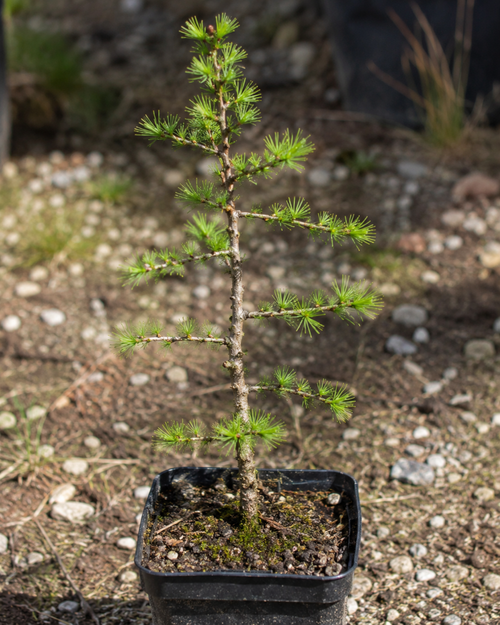
Japanese Larch Tree, Bonsai Starter in 2L Pot, Larix Kaempferi, Different Colours Every Season
Images depict plant which has been trained into bonsai. You will receive a starter plant.
Japanese Larch (Larix kaempferi; Karamatsu in Japanese) is a species of larch native to Japan.Excellent for a sheltering windbreak if planted 1m apart.
Why it's valued for bonsai
- Beautiful seasonal interest
- Fresh bright-green needles in spring.
- Deep green foliage in summer.
- Golden-yellow needles in autumn before dropping.
- Elegant bare branches in winter.
- Fast growth
- Develops trunk thickness relatively quickly compared to many bonsai species.
- Flexible branches
- Young branches wire easily, making styling straightforward.
- Excellent for traditional styles
- Informal upright, slanting, literati, and forest plantings are especially popular.
Growing requirements
Sun
- Full sun is best.
- Needs plenty of light to maintain compact growth and healthy needles.
Water
- Keep soil consistently moist.
- Do not allow the root ball to dry out completely.
- Good drainage is essential.
Soil
- Free-draining bonsai mix.
- Common mixes use akadama, pumice, and lava rock.
Winter
- Very cold-hardy.
- Requires winter dormancy and should generally be kept outdoors year-round.
- Protect roots from extreme freezing in shallow bonsai pots.
Pruning and training
- Allow shoots to extend, then cut back to encourage ramification.
- Structural pruning is often done in late winter before bud break.
- Wire young branches carefully; they can thicken quickly and wire marks may develop.